
Judge Brian E. Murphy
Federal Judicial Service
Judge, U.S. District Court, District of Massachusetts.
Nominated by Joseph R. Biden on March 21, 2024, to a seat vacated by Patti B. Saris. Confirmed by the Senate on December 2, 2024.
Education
College of the Holy Cross, B.A., 2002
Columbia Law School, J.D., 2006
Courthouse
Boston Courthouse
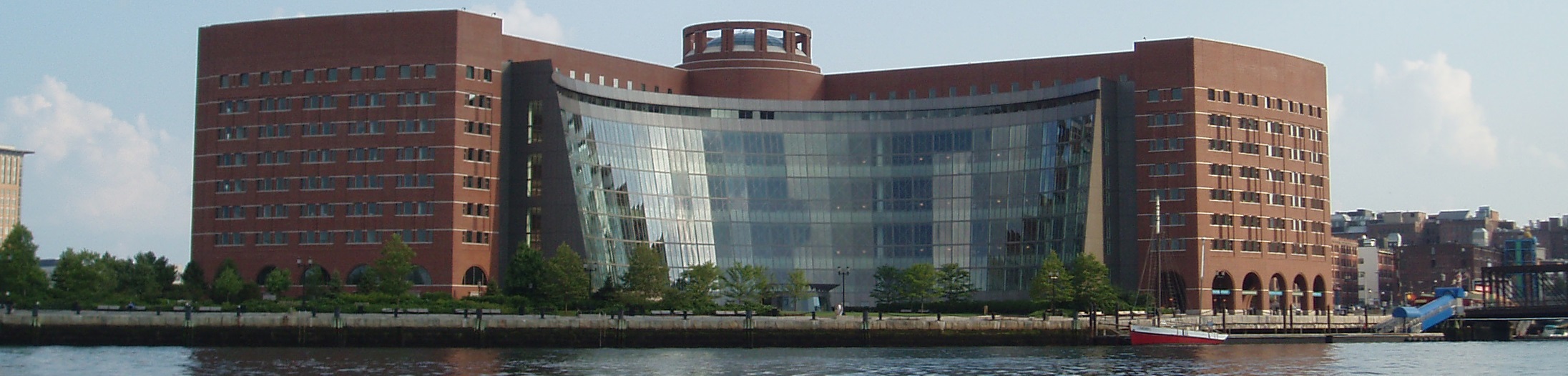
John Joseph Moakley U.S. Courthouse
1 Courthouse Way, Suite 2300
Boston, Massachusetts 02210
Courtroom
12, 5th floor
Courtroom Technology
Contact the courtroom clerk regarding the use of technology in the courtroom. View our courtroom technology page for more information on the technology that is available.
Internet access is available upon request and with the consent of the presiding Judge. Click here for more information.
Staff
Chambers Procedures/Standing Orders/Sample Orders
USDC Judicial Forum Survey
Civil - Case Management
Q1: Do you have any specific scheduling order or any particular topics that counsel must address in the joint statement in addition to/or in lieu of the topics required to be addressed under Local Rule 16.1(D) for the initial scheduling conference?
Q4: What, if any, inquiries do you make about settlement prospects and/or interest in mediation at the initial scheduling conference?
Q6: What schedule do you set at the initial scheduling conference?
Q8: If so, when do you hold status conferences?
Q9: If so, what issues do you address at status conferences?
Civil - Discovery
Q10: Other than the requirements under Local Rule 16.1(D) for addressing certain discovery topics in the parties' joint statement, what, if any, discovery issues do you like counsel to be prepared to address at the initial scheduling conference?
Q11: What, if any, issues related to electronically stored information should counsel be prepared to address at the initial scheduling conference?
Q12: If the parties intend to file a proposed protective order, do you require any particular format and/or a specific time for doing so?
Q13: Under what circumstances would you consider a bifurcation of discovery?
Q14: Given the new requirement under Fed. R. Civ. P. 26(b)(1) regarding the proportionality of the scope of discovery, what, if any, inquiry do you make about this issue at the initial scheduling conference?
Q15: Other than the requirement that the parties confer in good faith to narrow the issues before filing any discovery motion under Local Rule 37.1(A), what, if any, additional requirements do you make of counsel before considering discovery motions?
Q16: Typically, do you resolve discovery motions or do you refer them to the magistrate judge?
Q18: Please describe your general practice regarding the resolution of discovery motions.
Q19: Under what circumstances will you consider emergency motions regarding discovery matters?
Q21: What, if any, expert discovery deadlines do you set at the initial scheduling conference? When do you typically set a schedule for the filing of Daubert motions?
Civil - Dispositive Motions
Q24: In connection with dispositive motions, do you require the filing of any courtesy copies of exhibits, depositions and/or other materials in addition to the electronic versions that are filed on ECF?
Q25: Do you typically allow reply briefs and/or surreply briefs?
Q26: If you allow reply and/or surreply briefs, do you impose a page limit?
Q27: Do you typically hold a hearing on motions to dismiss?
Q28: Do you typically hold a hearing on summary judgment motions?
Q29: If you typically hold hearings on dispositive motions, what, if any, time limits do you impose on counsel for their arguments?
Q30: Under what, if any, circumstances, would you allow the filing of post-argument briefs?
Civil - Patent Cases
Q32: If applicable, please upload your standing order regarding the management of patent cases.
Criminal Matters
Q36: If a defendant files a motion for release and/or modification of conditions of release after the case has been referred back to the district judge, is it your typical practice to resolve the motion?
General Trial Practice - Pretrial Matters
Q40: If you do not require the filing of a trial brief, under what circumstances do you think it would be helpful to the Court?
Q41: Do you typically hold an initial pretrial conference in criminal cases? If so, what issues do you want counsel to be able to address at each conference in addition to those addressed under Local Rule 12.3?
Q43: When do you set a deadline for the filing of proposed voir dire, proposed jury instructions and/or special verdict form, witness and exhibits lists, motions in limine? Typically, how far in advance of trial?
Q44: Do you require that proposed voir dire, verdict forms and/or jury instructions be filed in any particular form (i.e., courtesy electronic copy to your deputy clerk in Word or WordPerfect format, etc.)?
Q47: Do you typically resolve motions in limine at the final pretrial conference?
Q48: Do you typically hear and/or resolve Daubert motions at the final pretrial conference?
Q50: If courtesy copies of trial exhibits are required, when do you require them?
Q51: If courtesy copies of trial exhibits are required, what particular form is required?
Q52: Do you require trial exhibits to be pre-marked? If so, please describe your practice?
Criminal - Scheduling Trials
Q53: Typically, when do you set a trial date in criminal cases?
Q54: Typically, when do you set a trial date in civil cases?
Q55: What is your typical trial schedule?
Q56: In civil cases, do you set time limits for counsel for opening statements, the presentation of evidence and/or closing arguments? If so, please describe your practice?
Criminal - Jury Selection
Q57: Please describe your jury selection process.
Q58: Under what circumstances, if any, have you or would you consider using a juror questionnaire?
Q59: If you would consider the use of a jury questionnaire, when and in what form should it be proposed?
Q60: Have you or would you consider allowing attorney voir dire?
General Trial Practice - Trial Practices
Q64: How many rounds of examination do you typically allow?
Q65: Under what, if any, circumstances, will you allow a rebuttal case?
Q66: Do you have any preferences about the use of chalks during openings and closings?
Q67: Do you have any particular practice in regard to jury charge conferences? If so, please describe it.
Q69: Will you consider counsel's proposals of a special verdict form? If so, should it be in any particular format?
Q70: If you have any preferences or practices about pretrial or trial matters that has not been solicited by the prior questions, please describe them here.
Q71: If you have any particular practices as to bench trials, please describe them.
Criminal - Sentencing/Revocation Hearings
Q73: If you do not require a sentencing memorandum in every case, when would it be helpful to you?
Q74: Under what, if any, circumstances, would you consider an expedited sentencing?
Q76: Under what, if any circumstances, would you consider the postponement of a sentencing hearing?
Standing Orders & Miscellaneous Matters
Q79: Order #2
Q80: Order #3
Q81: If there is any other guidance about your court practices and preferences that you would like to share with counsel that has not been solicited by any of the prior questions, please provide it here:
Post-Pandemic Practices
As of Fall 2022, are there any case events that you routinely conduct via Zoom in civil cases? If so, what are they?
As of Fall 2022, if there are case events that you routinely conduct in person that you would consider conducting via Zoom, what are those case events and under what circumstances would you consider changing to remote proceedings?